
IVF, PGD and PGT process in pictures

1. Consultation and legal review
The fertility team reviews medical history, previous pregnancies, family goals, and whether PGT is being requested for a medical indication, family balancing, or both.
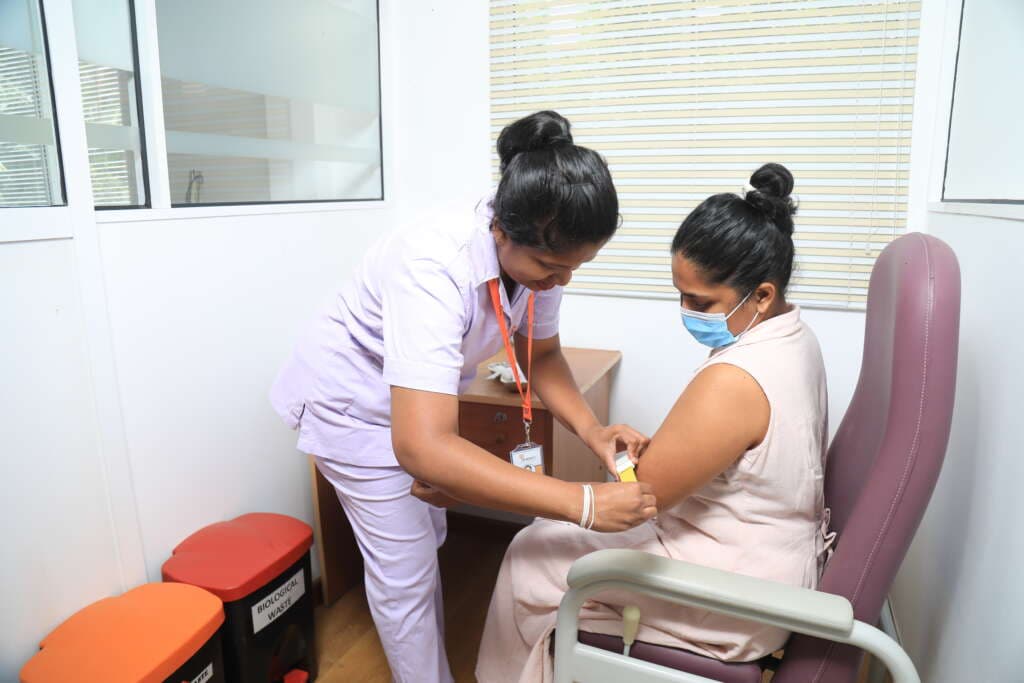
2. Ovarian stimulation
Medication is used to grow multiple eggs in the ovaries while scans and blood tests track follicle development.

3. Egg retrieval
Mature eggs are collected in a short procedure and moved immediately to the IVF laboratory.
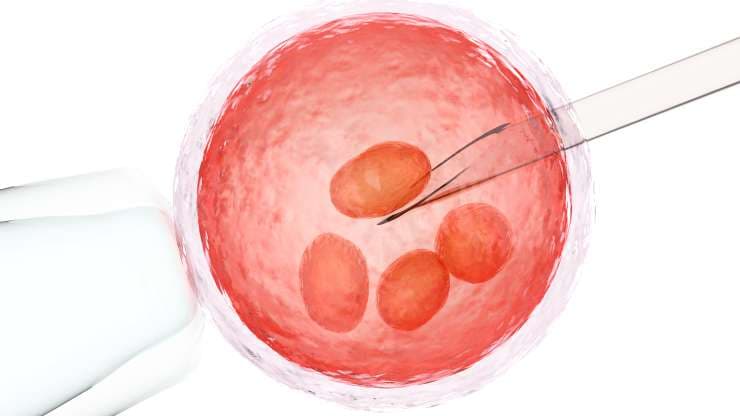
4. Fertilization by IVF or ICSI
Eggs are fertilized with sperm and monitored as embryos develop in carefully controlled lab conditions.
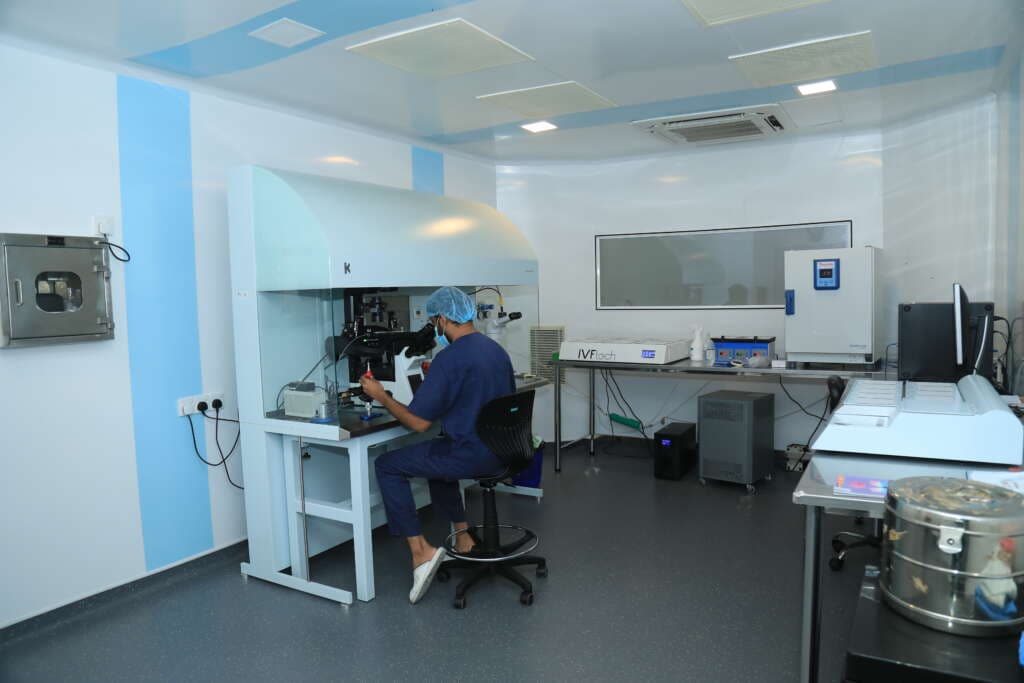
5. Embryo culture
Embryos are usually observed until the blastocyst stage, when biopsy may be technically possible.
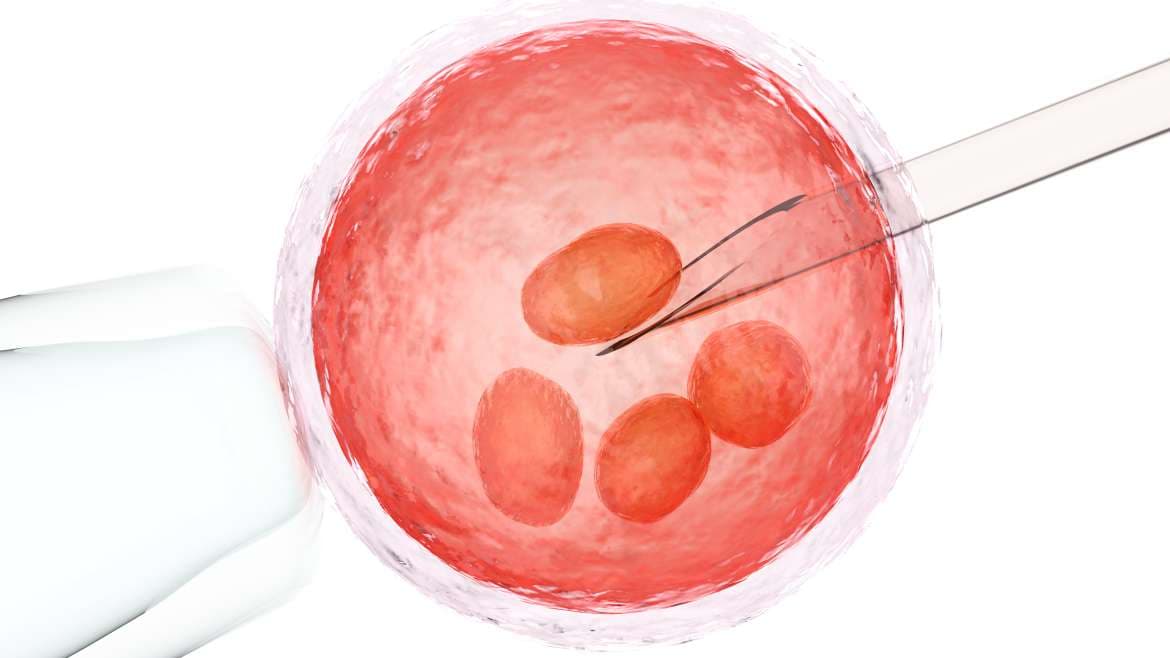
6. Embryo biopsy
A small number of cells are sampled from the embryo for genetic testing by a specialized laboratory.

7. PGD or PGT result review
Testing may report chromosome status and biological sex, commonly XX for female embryos and XY for male embryos.

8. Embryo transfer or freezing
A suitable embryo may be transferred, while other suitable embryos can be frozen for future use when legally and clinically appropriate.
What people mean by PGD gender selection
PGD gender selection is a common search phrase used by patients who want to understand whether IVF and embryo genetic testing can help identify male or female embryos before transfer. At Iswarya IVF & PGD, Colombo, Sri Lanka, this conversation is handled as a medical, ethical and legal consultation rather than a simple menu choice.
Many patients still use the term PGD, or preimplantation genetic diagnosis. In modern fertility care, clinics may use the broader term PGT, or preimplantation genetic testing. PGT-A looks at chromosome number, PGT-M looks for a specific single-gene disorder, and PGT-SR looks for structural chromosome rearrangements.
During IVF with embryo testing, the laboratory may identify whether an embryo has XX chromosomes, commonly female, or XY chromosomes, commonly male. This is biological sex information. It is not the same as a future child's gender identity, personality, health, or life path.
Medical sex selection vs family balancing
Medical sex selection is usually discussed when a family carries a serious sex-linked genetic condition. For example, some X-linked disorders are more likely to affect male children. In those situations, embryo sex information may help reduce the risk of passing on a severe inherited disease.
Family balancing is different. It means a family already has children of one sex and hopes to have a child of the other sex. Some families ask for a male embryo after having daughters, while others ask for a female embryo after having sons. This is ethically and legally treated very differently across the world.
The key distinction is this: PGD or PGT may be medically justified to avoid serious sex-linked disease, while non-medical gender selection for family balancing may be limited, prohibited, or subject to strict clinic policy depending on the country.
How IVF with PGD or PGT works
The process begins like a standard IVF cycle: ovarian stimulation, egg retrieval, sperm preparation, fertilization, embryo culture, and embryo assessment. If embryos reach the appropriate stage, an embryologist may biopsy a small number of cells and send them to a genetics laboratory.
The results can show whether each tested embryo appears chromosomally suitable for transfer and may also reveal biological sex. The final transfer decision should consider embryo health, medical indication, patient safety, local law, clinic policy, counselling, and informed consent.
Advantages for patients
For families with a known sex-linked disorder, PGD or PGT may reduce the chance of transferring an embryo at high risk for that condition. It can also allow a couple to understand more about embryo chromosomes before transfer, which may be helpful in selected IVF cases.
For family balancing where legally and ethically permitted, patients may feel more control over completing their family. Some couples say it helps them avoid repeated pregnancies when they strongly hope for a child of a particular sex.
PGT can also support single embryo transfer planning in some circumstances, which may reduce the risk of twin or higher-order pregnancies when compared with transferring multiple embryos.
Disadvantages, limitations and risks
IVF with PGT is more complex and more expensive than IVF without embryo testing. It requires ovarian stimulation, egg retrieval, fertilization, embryo culture, biopsy, laboratory testing, freezing in many cases, and sometimes a later frozen embryo transfer.
Not every cycle produces embryos suitable for testing. Not every tested embryo will be chromosomally suitable. A family may request a male or female embryo but end up with no suitable embryo of the requested sex, or no transferable embryo at all.
Embryo biopsy and genetic testing are highly advanced but not perfect. Results can be limited by mosaicism, sample quality, lab limitations, or rare error. PGT does not guarantee pregnancy, live birth, or a child free of all genetic or developmental conditions.
Non-medical sex selection also raises ethical concerns, including gender stereotyping, family pressure, possible discrimination, social sex-ratio imbalance, and the emotional impact of making embryo-transfer decisions based on sex rather than only medical suitability.
Legal position around the world
There is no single global rule. Some countries allow embryo sex selection only for serious medical reasons. Some permit non-medical family balancing under clinic policy or local rules. Others prohibit it completely or restrict disclosure of embryo sex except where medically necessary.
Patients should not rely on internet articles alone. Laws, professional guidelines, licensing rules, and clinic policies can change. A responsible fertility consultation should include confirmation of current local rules before any treatment plan is offered.
In Sri Lanka, patients should speak directly with a licensed fertility centre before assuming that PGD gender selection or family balancing is available. The safest first step is a consultation that reviews medical indication, family history, genetic risk, local guidance and informed consent.
Questions to ask before deciding
Ask whether the reason for testing is medical, family balancing, or both. Ask whether embryo sex selection is legally permitted in the treatment country and whether the clinic has a written policy. Ask what happens if no suitable male or female embryo is available.
Also ask about PGT accuracy, mosaic results, embryo freezing, transfer timing, costs, counselling, consent forms, and whether prenatal testing is still recommended after pregnancy is achieved.
Legality at a glance
Sri Lanka
Recent Sri Lankan ART professional guidance states that embryo sex selection should be limited to medically justified reasons, such as avoiding serious sex-linked disorders, and that treatment centres should refrain from sex selection solely for family balancing or personal preference.
India
Indian law strongly prohibits offering ART for a child of a predetermined sex, except where sex identification is needed to diagnose, prevent, or treat a sex-linked disorder or disease.
United Kingdom
UK fertility regulation prohibits choosing a child's sex for non-medical reasons. It may be considered only to avoid serious inherited disease.
Canada
Canada's Assisted Human Reproduction Act prohibits procedures to ensure or identify embryo sex for reproductive purposes except to prevent, diagnose, or treat a sex-linked disorder or disease.
United States
There is no US federal ban on embryo sex selection through IVF and PGT. ASRM describes non-medical sex selection as ethically controversial and says clinics should publish their own policies.
Australia
Australia regulates ART through national ethical guidelines, accreditation, and state or territory rules. Medical reasons are treated differently from social sex selection, so patients must confirm the rules in the relevant jurisdiction.
United Arab Emirates
UAE law regulates assisted reproduction and genetic diagnosis through licensed centres. Some UAE clinics advertise family balancing, but eligibility and permitted use should be confirmed with a licensed centre and current local law.
Many European and Asian countries
Many countries restrict non-medical sex selection because of ethical concerns, gender bias, and social imbalance. Medical use to avoid serious sex-linked disease is more commonly accepted.
PGD and IVF image guide






PGD gender selection questions
Can PGD or PGT identify whether an embryo is male or female?
PGD or PGT may report chromosome patterns such as XX or XY when embryo testing is performed. Whether that information can be used for embryo transfer decisions depends on medical indication, local law and clinic policy.
Is PGD gender selection legal in Sri Lanka?
Sri Lankan ART guidance treats embryo sex selection as appropriate only for medically justified reasons, such as avoiding serious sex-linked disorders. Patients should confirm current rules directly with a licensed fertility centre before planning treatment.
Does PGD gender selection guarantee pregnancy?
No. IVF with PGD or PGT does not guarantee pregnancy, live birth, or a transferable embryo of the requested sex. Egg number, embryo development, chromosome results, uterine factors and overall health all affect the outcome.
What is the difference between medical sex selection and family balancing?
Medical sex selection is usually considered to reduce the risk of a serious sex-linked genetic disorder. Family balancing is a non-medical request for a male or female child after already having children of one sex, and it is restricted or prohibited in many places.