
TESE / PESA Sperm Retrieval
Fertility Treatments
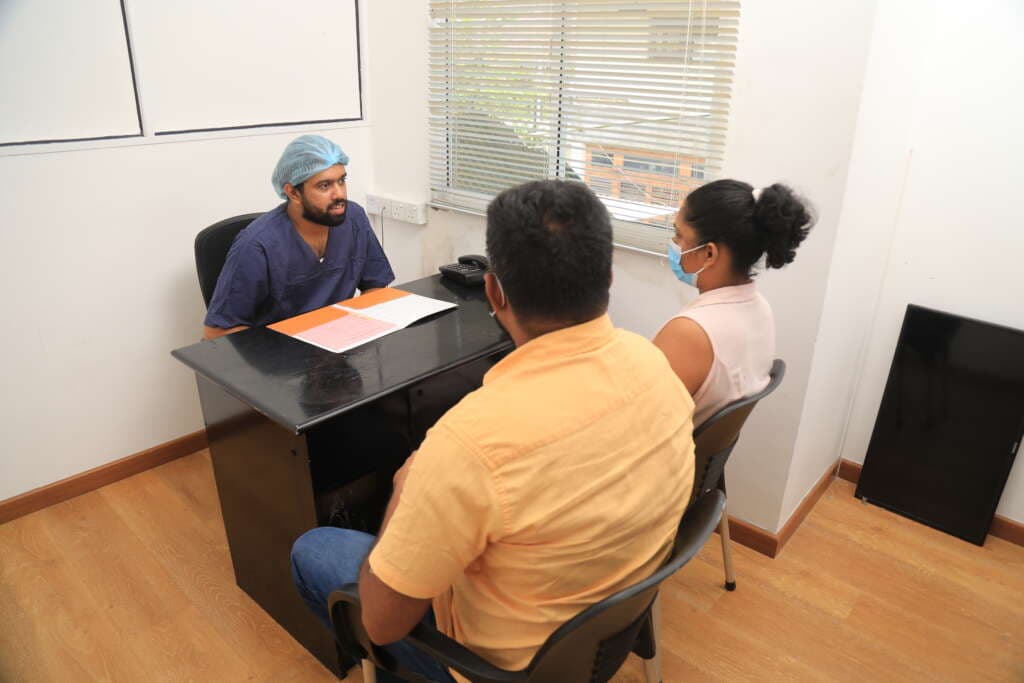
TESE and PESA are sperm retrieval techniques used for selected men with azoospermia or severe male factor infertility. Retrieved sperm may be used with IVF and ICSI.
PESA retrieves sperm from the epididymis using a fine needle. TESE retrieves sperm from testicular tissue. The choice depends on the suspected cause of azoospermia, clinical examination, hormone results and specialist advice.
These procedures can help couples proceed with treatment even when sperm is not present in the ejaculated sample. In some cases, sperm may also be frozen for future use.
A full male fertility evaluation is important before planning TESE or PESA, including semen analysis, hormonal testing and counselling about likely outcomes.
Contact UsAzoospermia: two very different causes
Azoospermia means no sperm is found in the ejaculated sample. It affects a small percentage of men, and the first job is to establish which of two quite different situations applies, because the outlook and the procedure differ.
In obstructive azoospermia, sperm is produced normally but cannot get out — because of a blockage, a previous vasectomy, infection or an absent vas deferens. Retrieval in these cases usually finds sperm.
In non-obstructive azoospermia, production itself is impaired. Sperm may still be found in pockets of the testis, but the chance is lower and the procedure needed is more extensive.
The retrieval procedures compared
Which is appropriate depends on the cause, the examination findings and hormone results. Your specialist will explain the reasoning rather than simply naming a procedure.
- PESA — percutaneous epididymal sperm aspiration. A fine needle draws fluid from the epididymis. Minimally invasive, quick, and used mainly for obstructive azoospermia.
- TESA — testicular sperm aspiration. A needle takes a sample directly from the testis. Also relatively simple, and used when PESA is unsuitable or unsuccessful.
- TESE — testicular sperm extraction. A small surgical sample of testicular tissue is taken and examined for sperm. Used where aspiration will not do, particularly in non-obstructive cases.
Tests before retrieval is planned
A proper male evaluation comes first. Going straight to retrieval without it risks an avoidable procedure or a misleading result.
- At least two semen analyses, including examination of the centrifuged sample
- Hormone testing — FSH, LH and testosterone give a picture of sperm production
- Clinical examination of the testes and vas deferens
- Genetic testing in selected cases, including karyotype and Y-chromosome microdeletion screening
- Scrotal ultrasound where a blockage or varicocele is suspected
- Counselling about what retrieval can realistically achieve in your situation
How retrieval fits with ICSI
Retrieved sperm is almost always too few in number for conventional fertilisation, so it is used with ICSI, where a single sperm is injected into each egg. Retrieval is therefore planned around the female partner's IVF cycle, or the sample is frozen in advance for later use.
Freezing retrieved sperm, where enough is found, avoids a second procedure if another cycle is needed. Whether that is possible depends on how much is recovered.
Frequently asked questions
Is sperm always found?
In obstructive azoospermia, usually yes. In non-obstructive azoospermia, sperm is found in a proportion of men but not all, and it is important to go in understanding that a negative result is possible. Your specialist will give you a realistic expectation based on your hormone results and examination.
How painful is the procedure and what is recovery like?
Retrieval is done under local or general anaesthetic depending on the technique, so it is not painful at the time. Expect some soreness, swelling and bruising for several days, and avoid heavy activity for about a week.
Can retrieved sperm be frozen for later?
Often yes, where enough sperm is recovered. Freezing avoids repeating the procedure if another ICSI cycle is needed later.
Will a child conceived this way inherit the problem?
In some cases the cause of azoospermia is genetic and can be passed to a son. This is exactly why genetic testing and counselling are offered before retrieval where indicated, so the decision is made with the full picture.
Does a previous vasectomy rule this out?
No. Vasectomy is a common cause of obstructive azoospermia, and surgical retrieval combined with ICSI is a well-established route for couples in that situation.
Get quick guidance about IVF, IUI, ICSI, PGD/PGT, fertility testing and appointment availability in Colombo.